Currency

Hijrah is one of the most important steps a person can take in their journey towards Allah.
Throughout history, many Prophets and Muslims have undertaken Hijrah to protect their faith,
practise their religion freely and escape oppression.
However, Hijrah is not simply about moving from one place to another. It can also represent a
spiritual journey towards becoming a better Muslim.
For a Muslim, Hijrah means making changes for the sake of Allah and seeking His pleasure.
Sometimes, this involves physically leaving a place, while at other times, it means leaving
behind bad habits and improving ourselves spiritually.
Hijrah can be understood in two main ways: Physical Hijrah & Spiritual Hijrah.
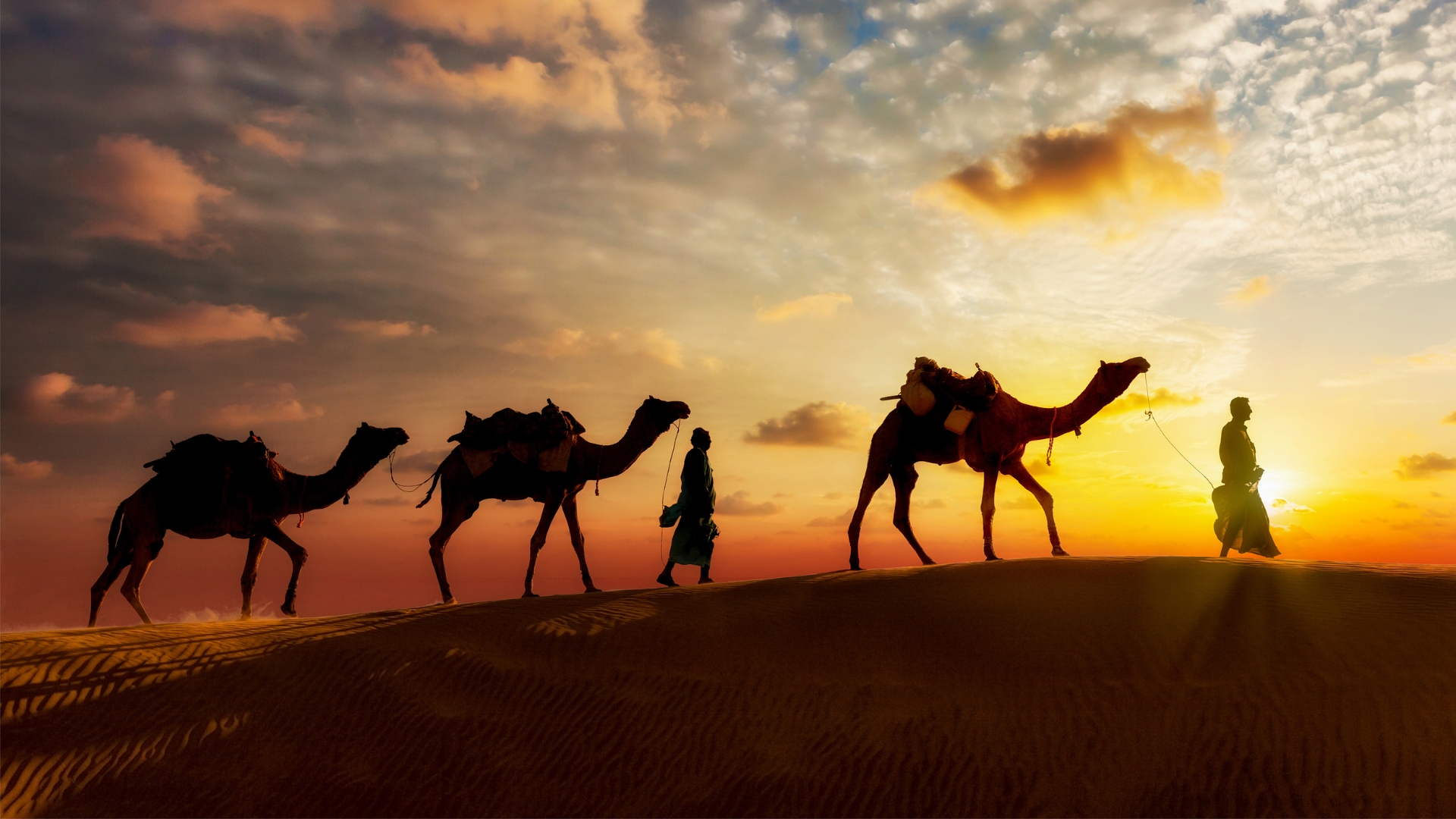
Physical Hijrah refers to migrating from one place to another for the sake of Allah. It is an important act in Islamic history and was practised by several Prophets.
One example is Prophet Ibrahim (AS), who left his homeland after being saved by Allah from the oppression of Nimrod.
Prophet Ibrahim (AS) travelled first to Egypt and later to the region of Palestine. Allah blessed him with two sons, Prophet Ismail (AS) and Prophet Ishaq (AS), whose descendants included many Prophets.
His story reminds us that those who sincerely sacrifice for the sake of Allah can hope for His blessings and rewards in this life and the Hereafter.
During the early years of Islam, Hijrah also became an important duty for Muslims who faced persecution and needed to protect their faith.
Spiritual Hijrah means leaving behind bad habits, improving our character and making a sincere effort to become closer to Allah.
Unlike physical Hijrah, this is an inner journey that requires patience, self-discipline and continuous effort.
In Islamic spirituality, particularly within the Sufi tradition, this journey involves controlling our desires, purifying our hearts and striving to earn Allah’s pleasure.
To grow spiritually, we should work towards overcoming negative qualities such as anger, arrogance, jealousy, dishonesty and pride.
At the same time, we should develop positive qualities such as patience, kindness, sincerity, humility and generosity.
Spiritual Hijrah also involves fulfilling our religious obligations, including our five daily prayers, while increasing voluntary acts of worship and good deeds.
However, true spiritual growth is not only about performing acts of worship. It is also about earning a halal livelihood, treating others with kindness and constantly working to improve ourselves.
Our negative habits can become barriers between us and Allah. Overcoming them requires sincere repentance, consistent effort and a willingness to change.
The great Islamic scholar and poet, Mawlana Jalaluddin Rumi, emphasised the importance of improving our inner character rather than focusing only on our outward appearance.
He is often associated with the saying:
“Do not be deceived by outward appearances. Beautify your character so that you may find a place in people’s hearts.”
Rumi also famously expressed the journey of personal transformation through the words:
“I was raw, I was cooked, I was burned.”
These words reflect the stages of spiritual growth, from a life shaped by worldly desires to one guided by wisdom, self-awareness and love for Allah.
His teachings remind us that becoming a better Muslim requires more than simply appearing religious. It involves sincerely improving our character, controlling our desires and treating others with compassion.
This spiritual journey teaches us that true Hijrah is not only about changing where we live, but also about changing who we are.
Improving our character is a lifelong journey that requires guidance, patience and sincere effort.
In Islamic spirituality, seeking guidance from knowledgeable and trustworthy teachers can help us recognise our weaknesses and develop better habits.
However, the most important step is turning sincerely to Allah, asking for His forgiveness and seeking His guidance.
We should regularly reflect on our actions, leave behind harmful behaviours and strive to replace them with good deeds.
True Hijrah begins in the heart.
It is the journey of leaving behind what displeases Allah and moving towards a life filled with faith, kindness and obedience to Him.
May Allah guide us all towards becoming better Muslims, purify our hearts and grant us the strength to make positive changes in our lives.
Ameen.